
Sudden weakness, a new seizure, worsening walking difficulty or loss of bladder control can require emergency care rather than a routine appointment. By the end, you will know which symptoms need immediate hospital evaluation, when a planned specialist visit is appropriate, what records to bring and how to assess a proposed treatment.
Key takeaways
- Call emergency services for sudden weakness, speech trouble, seizures, or loss of consciousness.
- Match your symptoms and imaging findings to a neurosurgeon’s relevant specialty.
- Bring the original MRI or CT images, reports, medication list, and symptom timeline.
- Use a second opinion to compare diagnosis, treatment options, risks, and hospital support.
Emergency symptoms need hospital care, not a routine appointment
Sudden neurological change needs emergency hospital evaluation, not a routine appointment. Call emergency services for one-sided weakness or numbness, facial droop, speech difficulty, sudden severe headache, a new seizure, loss of consciousness, sudden trouble walking, severe head injury, or rapidly worsening neurological symptoms.
These signs can indicate stroke, bleeding, spinal cord injury, or another time-critical problem.
| Symptom pattern | What it may indicate | What to do |
|---|---|---|
| Sudden weakness, speech or vision change, seizure, collapse, severe headache | Stroke or another acute brain emergency | Go to the emergency department immediately |
| Back pain with new bladder or bowel loss, urinary retention, saddle-area numbness, or rapidly progressive leg weakness | Possible cauda equina syndrome | Seek emergency assessment; do not wait for a planned visit |
| Progressive weakness, loss of hand dexterity, worsening balance, or walking difficulty | Possible spinal cord compression | Arrange prompt specialist assessment; use emergency care if deterioration is rapid |
A planned best neuro surgeon appointment in Nagpur suits stable but persistent radicular pain, diagnosed spinal stenosis, hydrocephalus, a brain or spinal mass, an aneurysm, or progressive non-acute weakness requiring treatment planning.
When to see a neurosurgeon also depends on the trend: modest neck or back pain alone does not establish a need for surgery, but persistent nerve symptoms or functional loss deserves review. The consultation can compare observation, medicines, physiotherapy, injections, rehabilitation and surgery.
Match the problem to the right specialist and treatment path
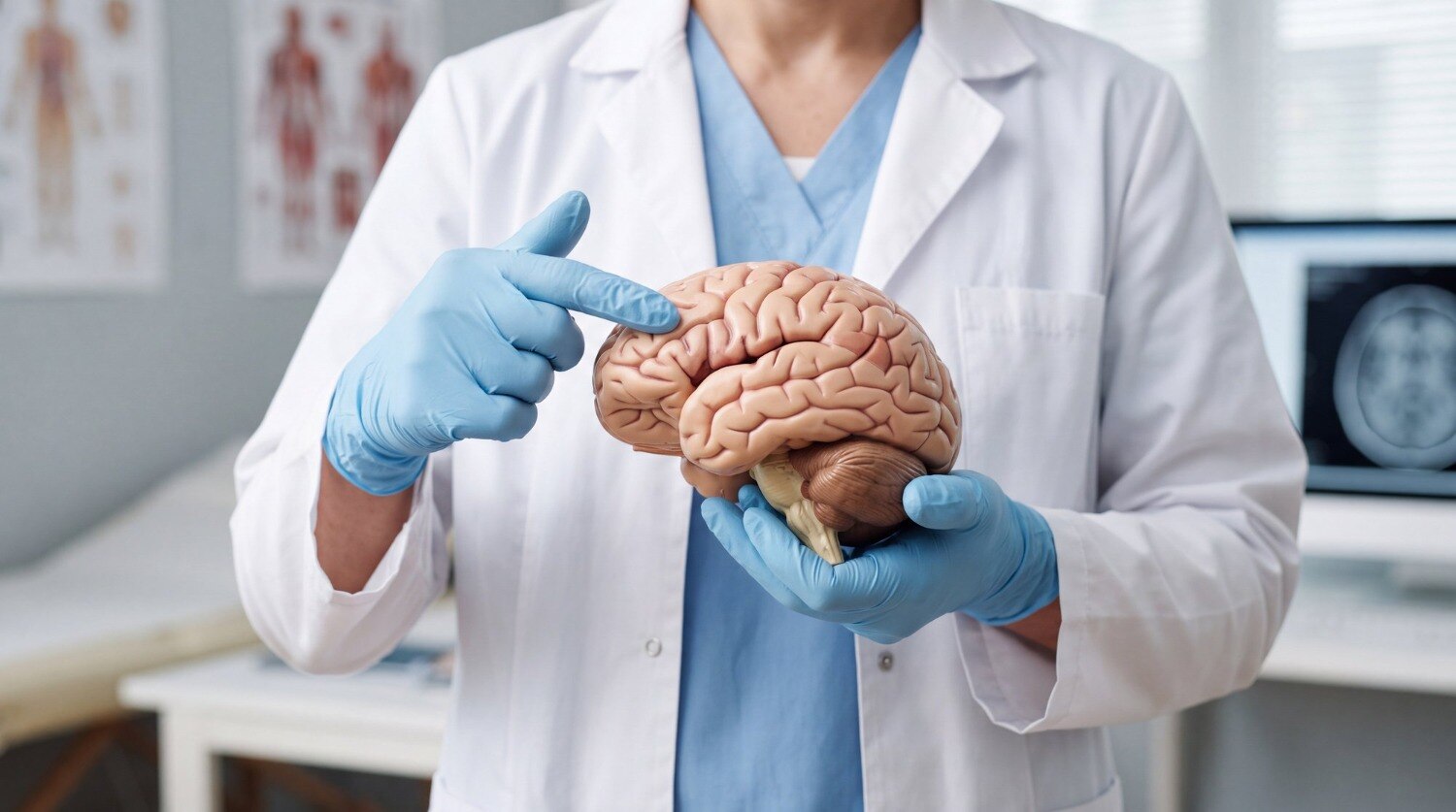
A brain and spine specialist in Nagpur evaluates disorders of the brain, spinal cord, peripheral nerves and spine. Neurosurgery adds value when imaging or examination suggests a structural problem such as a brain tumour, aneurysm, hydrocephalus, traumatic brain injury, spinal stenosis, slipped disc, spinal cord compression or nerve-root compression.
The practical question is when to see a neurosurgeon. Progressive weakness, loss of hand dexterity, worsening balance or difficulty walking deserves prompt assessment, even with little neck pain, because spinal cord compression can leave lasting impairment.
- Neurology should lead seizures, migraine, movement disorders and many non-compressive nerve conditions.
- Orthopaedics or primary care can lead muscle, joint and uncomplicated back or neck pain; pain alone does not establish a surgical need.
- Emergency medicine must lead sudden neurological decline, severe head injury or suspected stroke rather than a routine appointment.
- Oncology should coordinate cancer treatment when a brain or spinal tumour requires radiation, chemotherapy or combined care.
- Rehabilitation should lead recovery planning after injury, surgery or established neurological disability.
A neurosurgeon may recommend observation, medication, physiotherapy, injections, rehabilitation, further testing or referral instead of an operation. For a slipped disc or stenosis, surgery enters the discussion when disabling symptoms persist despite treatment, or when neurological loss or compression makes delay unsafe.
The right clinician is the one who routinely treats your diagnosis and the specific procedure under consideration.
Bring the clinical story and the actual imaging
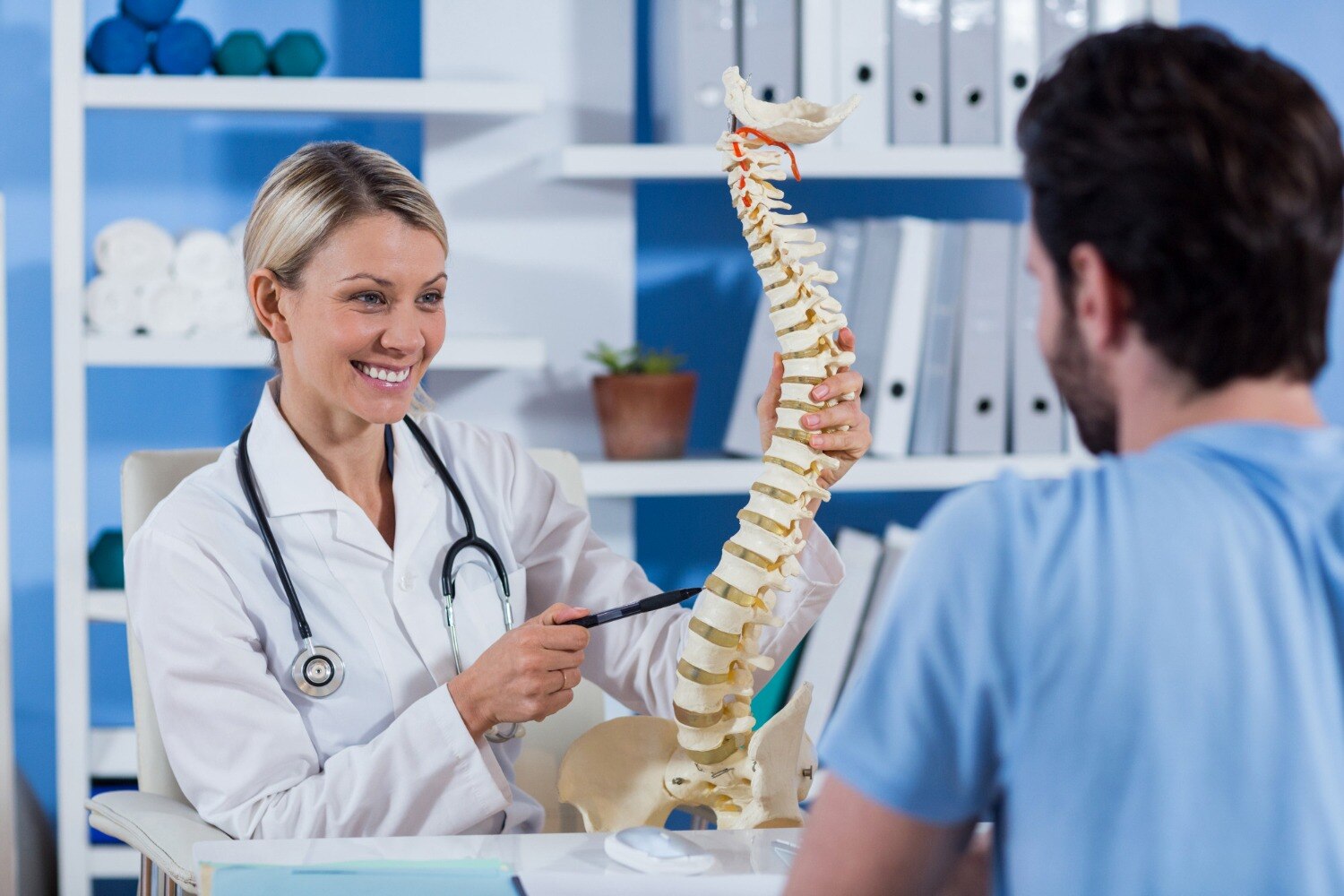
A useful neurosurgery consultation in Nagpur begins with a clear record of what changed, when it changed and what has already been tried.
- Write a symptom timeline: onset, progression, triggers and functional changes such as dropping objects, limping or needing help to walk.
- List every medication, dose and schedule, including anticoagulants and antiplatelet drugs.
- Record allergies and previous diagnoses.
- Bring discharge summaries, operative notes, laboratory results and previous treatment outcomes.
- Bring the actual CT or MRI films, or accessible image files on a disc, USB drive or patient portal, together with the written reports.
CT uses X-rays and is useful for bone injury, acute bleeding and several emergency findings. MRI provides greater soft-tissue detail for the brain, spinal cord, discs, nerves and tumours, but the best scan depends on the clinical question.
A scan does not determine treatment by itself. The specialist must match the images with your history and neurological examination: strength, sensation, reflexes, coordination, gait, cranial nerves and cognition when relevant.
An abnormality on MRI may be incidental and unrelated to your pain or disability, while a serious problem can require attention even when the report sounds reassuring. Bring prior images for comparison; the written report alone can hide changes that affect the decision.
Judge the surgeon, hospital support and consultation quality
Choose the best neuro surgeon in Nagpur by matching the clinician to your diagnosis and proposed operation, not by choosing the broadest service label. Verify medical training, registration, and experience with the exact procedure. At Neuron Brain, Spine & Critical Care Center, use a neurosurgery consultation in Nagpur to test the actual treatment pathway offered.
| Area to check | What to verify | Why it matters |
|---|---|---|
| Surgeon | Training, registration, and exact-operation experience | Familiarity with your procedure affects planning and risk discussion |
| Hospital | Operating room, intensive care, imaging, blood bank, and emergency response | Complications need immediate, properly equipped support |
| Team | Neurology, neuroradiology, oncology, critical care, physiotherapy, and rehabilitation access | Complex cases need coordinated decisions and recovery planning |
Ask these questions during the consultation:
- What is the diagnosis, and what is the treatment’s purpose?
- How urgent is it, and what measurable benefit do you expect?
- What alternatives exist, including observation, medication, injections, or rehabilitation?
- What happens without surgery?
- What are the procedure-specific risks: infection, bleeding, cerebrospinal-fluid leak, neurological injury, blood clots, or further treatment?
- How long will recovery take, what rehabilitation is needed, and who provides follow-up?
A strong consultation links your examination and imaging to a clear plan, rather than treating an abnormal scan alone. Ask who you contact if symptoms worsen.
Use second opinions to test the decision, not just the scan
A second opinion is worth seeking before irreversible surgery, an operation with substantial neurological risk, or treatment based on an unclear diagnosis, urgency or alternative. A best neuro surgeon appointment in Nagpur should test the decision, not merely confirm that a scan looks abnormal.
For a suspected brain tumour, ask how location, size, neurological effect, imaging features and your overall health change the plan. Care can involve:
- Observation with scheduled imaging
- Biopsy to identify the tissue
- Surgical resection
- Radiation
- Systemic therapy
- A combination of these approaches
For an unruptured aneurysm, observation, blood-pressure and other risk-factor management, surgical clipping, or endovascular treatment may each be reasonable. The balance depends on rupture risk, aneurysm anatomy, age, health and treatment risk. A referral does not automatically mean an operation.
Ask the best neuro surgeon in Nagpur what decompression is intended to achieve. It may stop or improve nerve dysfunction, but it may not remove chronic pain or reverse long-standing weakness, numbness or balance problems. Do not delay emergency care for a second opinion if symptoms suddenly worsen.
Before agreeing, confirm that you understand the intended outcome, measurable limits, recovery and rehabilitation plan, follow-up arrangements, and the exact symptoms that require urgent review. Also ask what happens without surgery and which non-operative options remain.
Frequently asked questions
When should I seek emergency care instead of booking a neurosurgeon appointment?
Seek emergency hospital evaluation for one-sided weakness or numbness, facial droop, speech difficulty, sudden severe headache, a new seizure, loss of consciousness, sudden trouble walking, severe head injury, or rapidly worsening neurological symptoms.
How do I choose the right neurosurgeon for my problem?
Match the surgeon’s experience to your condition, such as brain tumour surgery, vascular neurosurgery, spine surgery, trauma, or paediatric neurosurgery. Check the hospital’s imaging, operating-room, intensive-care, and rehabilitation support.
What should I bring to a neurosurgery consultation in Nagpur?
Bring the original MRI or CT images, the written reports, prior hospital records, a medication list, allergy details, relevant blood-test results, and a timeline of symptoms and treatments.
What should a second opinion compare?
Compare the diagnosis, urgency, non-surgical options, proposed operation, expected benefits, major risks, recovery plan, and the hospital support available if complications occur.
Keywords